2019
2019 and before: first devices, first results
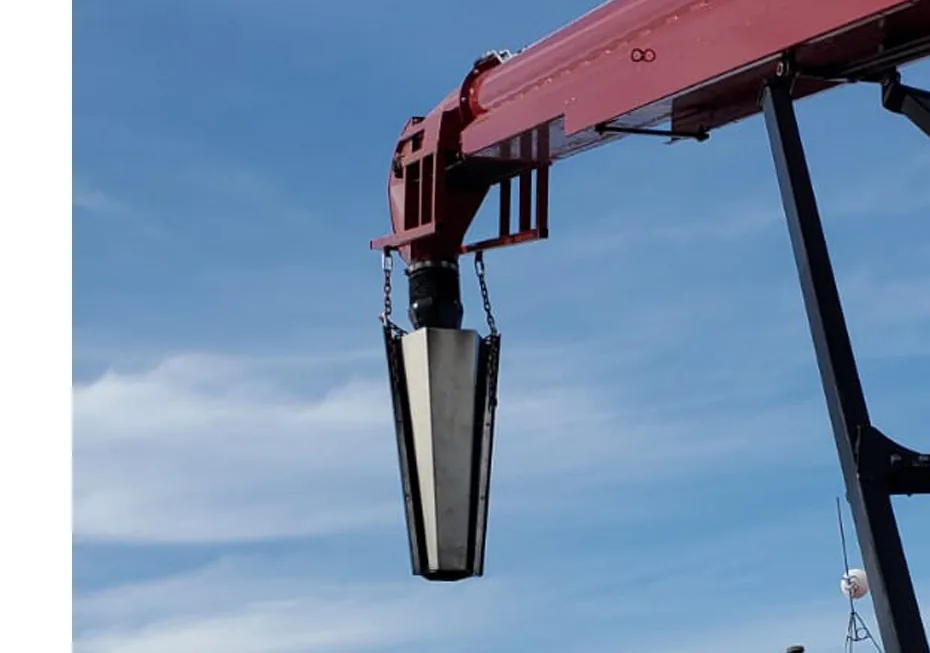
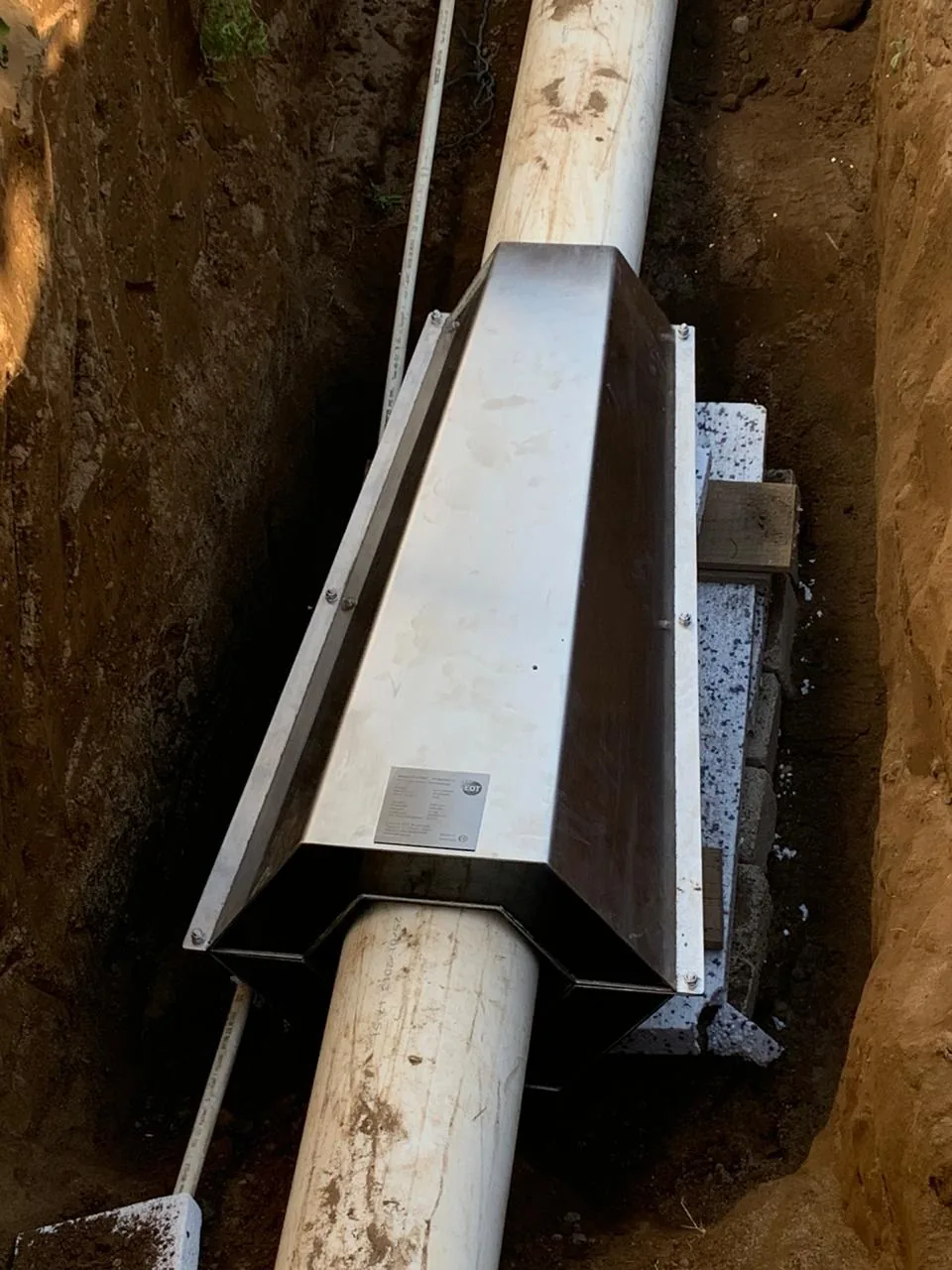
HyperSound has been on the market since 2019. Before that, a first device treated the drinking water of a dairy herd on a farm in Germany from October 2016. The first results came from water and from crops outside corn: the dairy herd, a mushroom grower and an oat-pea mixture for biogas.

Early devices
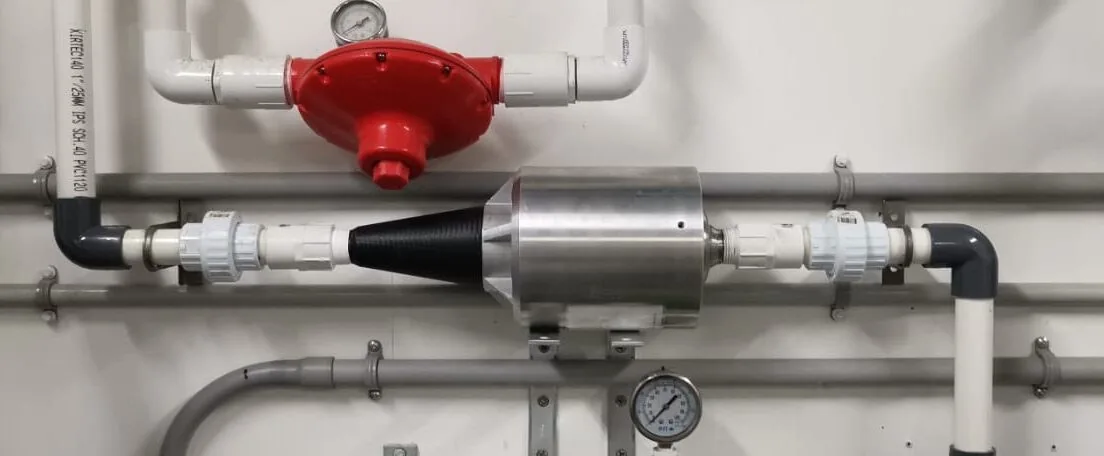
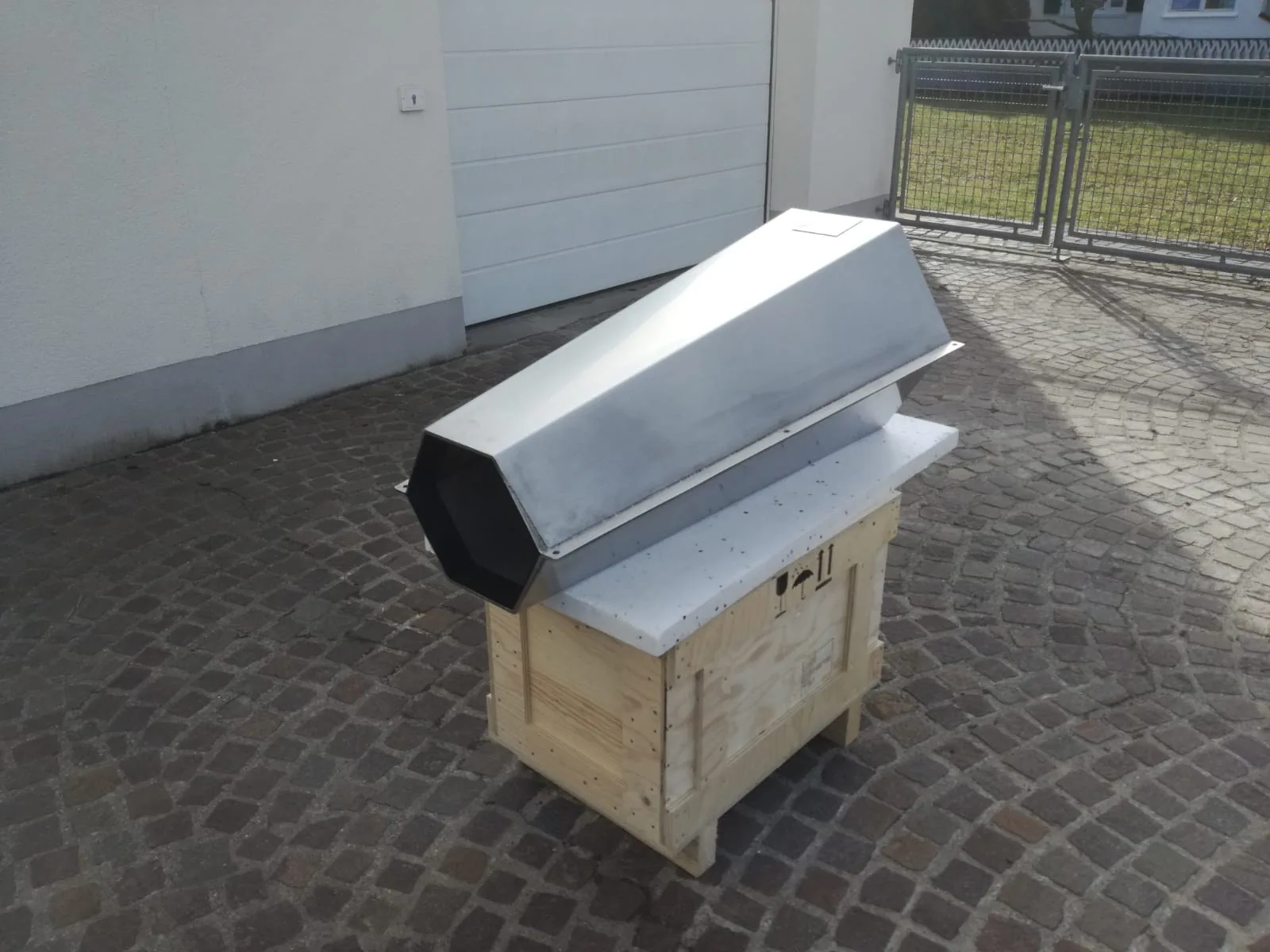
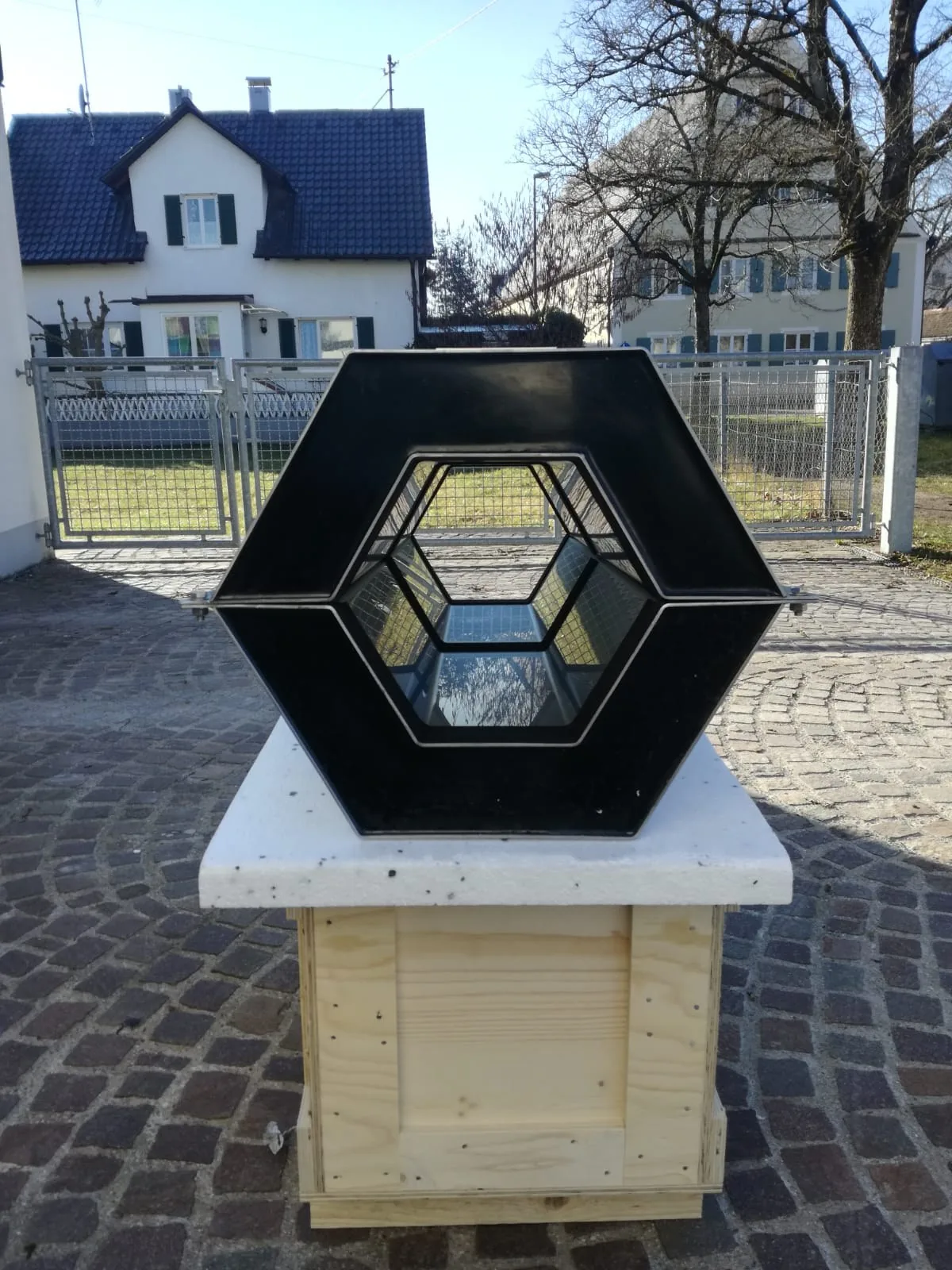
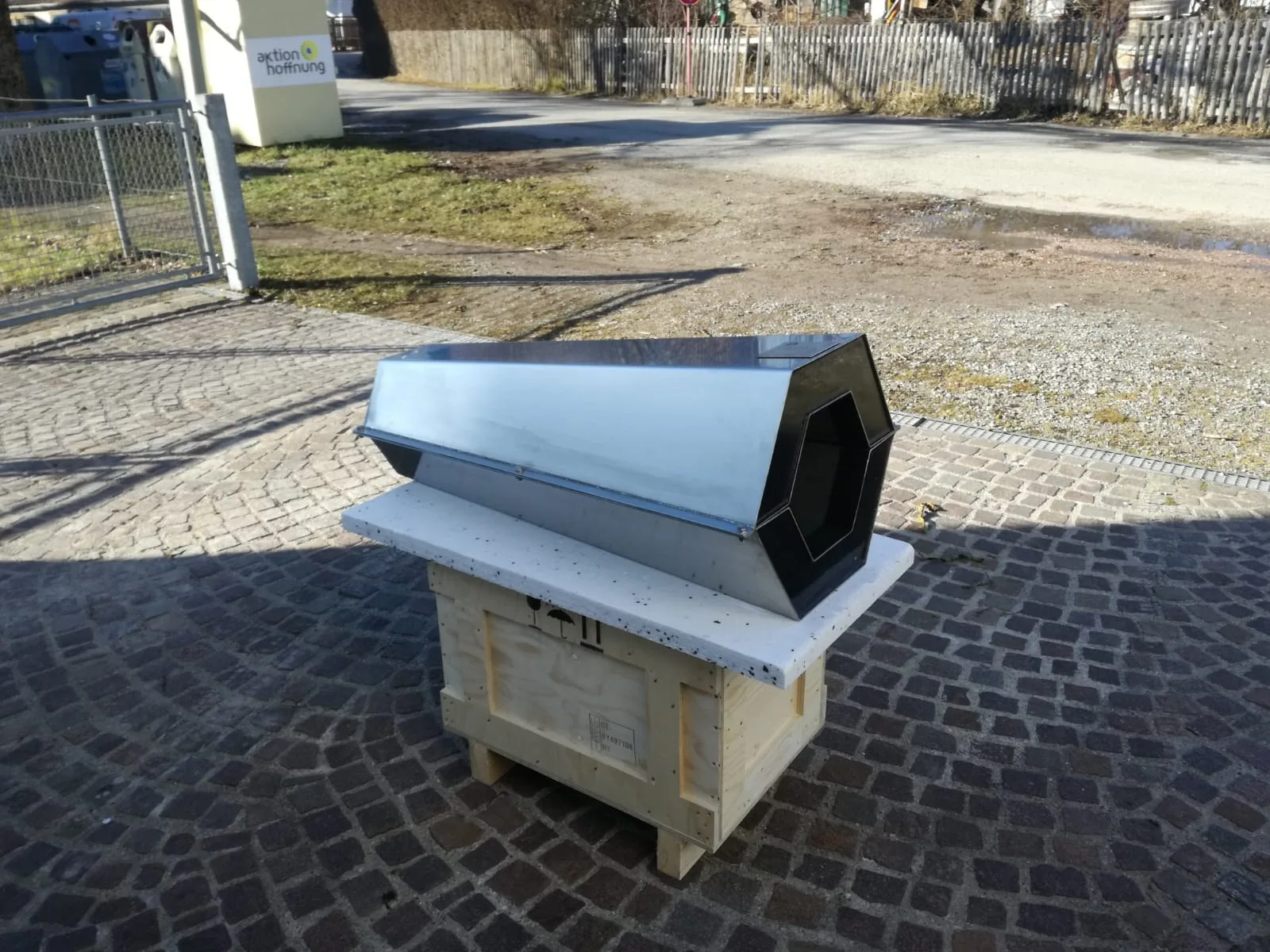
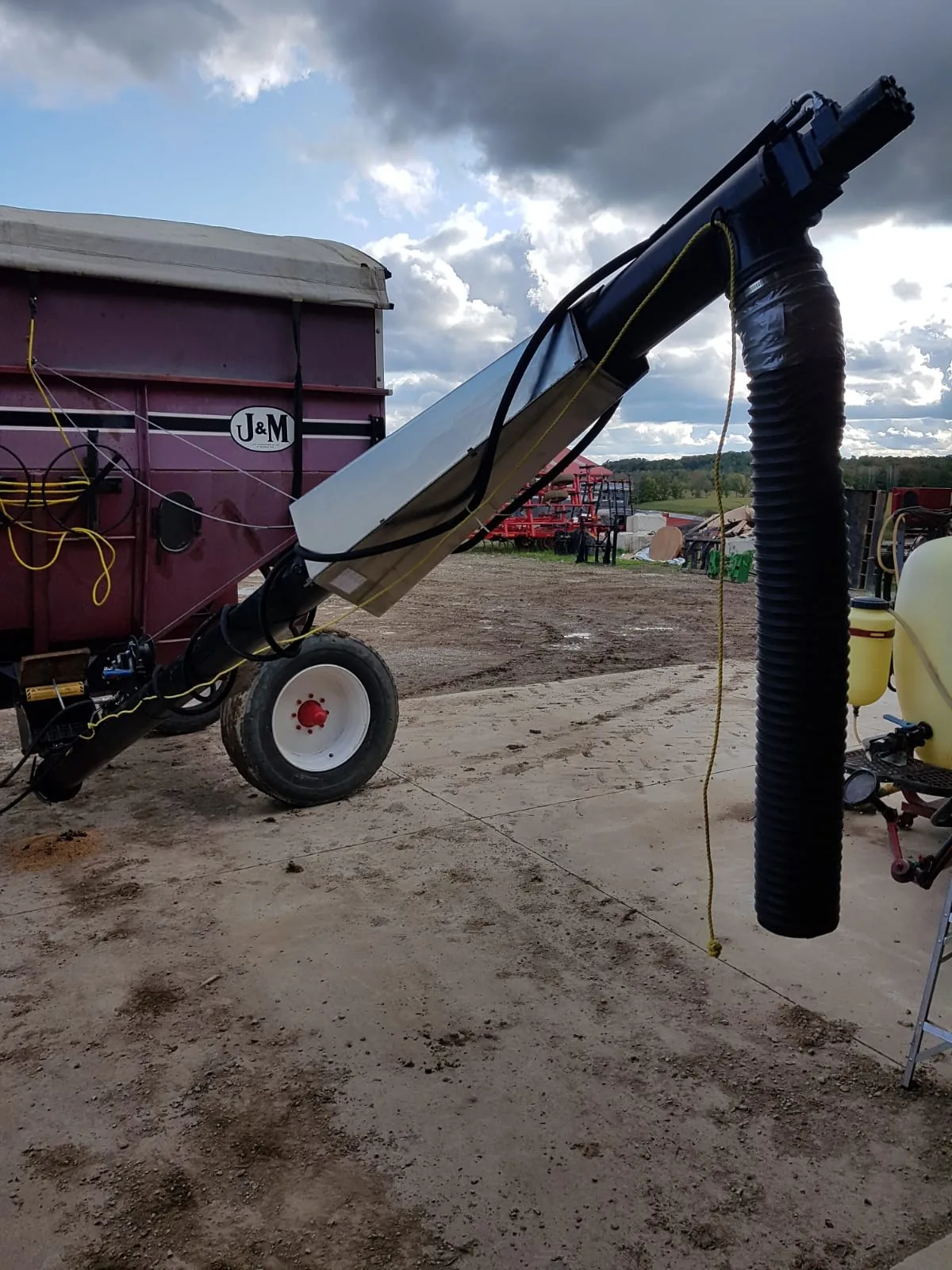
Mushrooms: Whitecrest Mushrooms Ltd
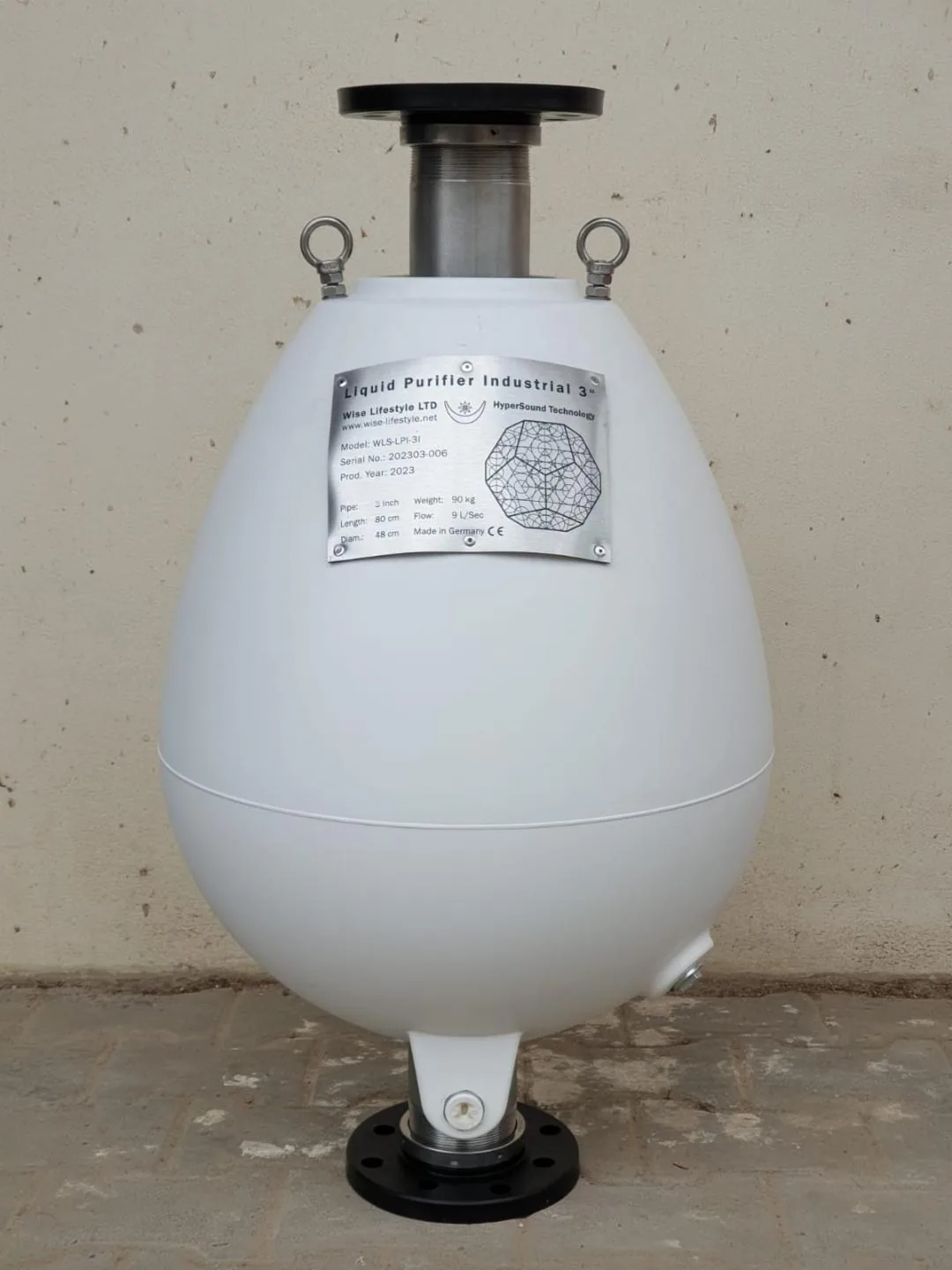
In June 2019 Whitecrest Mushrooms Ltd installed a HyperSound device as a recirculation-style system: the water was circulated through the device, so the time it was exposed to HyperSound could be adjusted. At first the water passed through the device at 230 liters per minute for eight minutes per hour. This water was irrigated on the crop from day zero through the final steaming-off after harvesting. The rest of the growing process stayed at normal practice, so the HyperSound-charged water was the only variable.
Through the six-week rotation the grower increased the exposure time; by December 2019 it was 40 minutes per hour.
Once a full cycle of water had been exposed, the grower saw fewer lower-quality mushrooms (#2s): over the trial, 21 % fewer. Another effect was reduced clogging of the nozzles of the underbed watering.
Yield results: average yield 2018: 16.993 kg/m². January to July 2019: 16.719 kg/m². Average before HyperSound: 16.856 kg/m². With HyperSound, from July 1 to October 31, 2019: 18.2 kg/m², a yield increase of 7.8 % (recalculated: +8.0 %).
Next step named in the report: a customized HyperSound device to treat the compost as it goes into the room at filling.
The grower’s conclusion:
“Use of the HyperSound Technology increased our yield beyond our expectations, giving us a significant return on investment. Testing is ongoing and we are quantifying the results for every cycle to broaden our data.”


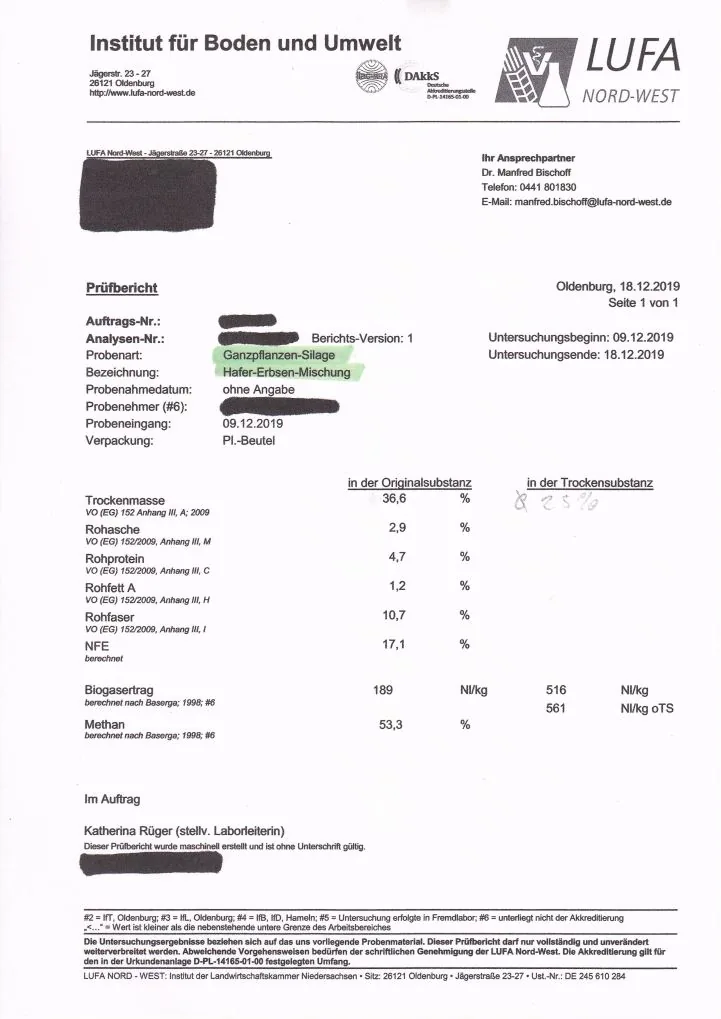
Oat-pea mixture: LUFA laboratory test
In 2019 an oat-pea seed mixture and its fertilizer, cow manure, were treated with HyperSound on the Wise Lifestyle farms and greenhouses in Germany, to increase plant growth and yield. This crop is typically used for biogas plants. The laboratory test by LUFA Nord-West found 36.6 % dry matter in the whole-plant silage; the average in Germany is 20 to 25 %. With this higher dry matter, the same harvest can produce up to 30 % more biogas.

Dairy herd, 2015 to 2017
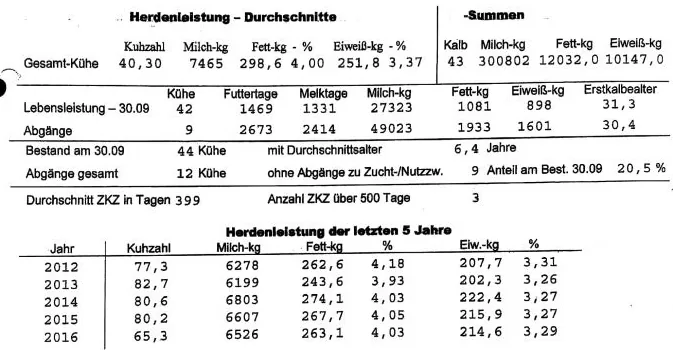
On the Wise Lifestyle farms and greenhouses in Germany, the drinking water of a dairy herd was charged with HyperSound from October 2016. The herd averages per cow come from the official milk recording (LKV Bayern):
- October 2015 to September 2016, control phase with tap water: 6,526 kg milk, 263.1 kg fat, 214.6 kg protein.
- October 2016 to September 2017, HyperSound-charged water: 7,465 kg milk, 298.6 kg fat, 251.8 kg protein.
That is 14.4 % more milk, 13.5 % more fat and 17.3 % more protein per cow.